
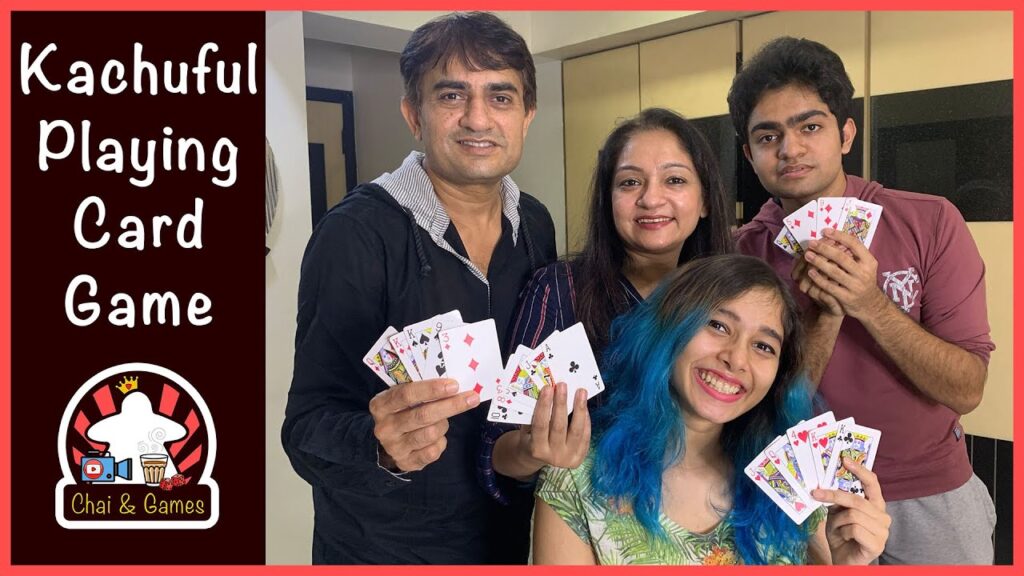
The colorful and joyous Diwali celebration might have quieted down this evening, but the spirit of the festival takes a walk in memory throughout Indian homes. Here in Ahmedabad, the day of Wednesday, October 29th, 2025, carries on with the remnants of the festival – the faint aroma of incense sticks, the shimmer of the leftover decorations, and probably the most long-lasting memories (and ongoing sessions) of the very popular tash wala game. In a world where fast internet, immersive video games, and endless streaming of content are ruling, the simple act of shuffling a deck of cards and coming together for a game still has a very strong, almost magical, charm.
A Tradition Stemming from Festivities and Bonding
Every association of card games with festivals, especially Diwali, is deep-rooted. The past is mixed with present: Heroes of the stories, for instance, tell how Goddess Parvati was gambling with Lord Shiva, thus blessing those who gambled during the most fortunate time. Over time, this belief turned and embraced card games as a means of welcoming Goddess Lakshmi, the one who brings wealth and prosperity. Rooms where people play cards and keep them lively late at night, have now become places where fortune is invited through this symbolism.
The card game, however, also flourished beyond the myth as it was tightly linked with the social aspect. Festivals mean n-ship. Card games allowed (and still allow) this bond to occur because they provide the perfect structure for it. They are:
- Inclusive: For example, Rummy rules are usually so easy that even different generations can play together. Thus binding the relationships of different age groups.
- Interactive: Watching a screen is a passive activity, whereas card games require the player to talk. To take part physically, and hence become more social humanoid.
- Social Ritual: Hence it happened that people gathered for card games and thus formed a new social ritual, an expected and treasured part of festive celebrations. Which was much similar to the creation of a beautiful flower rangoli design for Diwali. Both activities are based on communal participation, creativity (be it in the game or the design), and finalizing the shared goal of celebrating and sending out goodwill.
The very performance of coming together, sharing food, talking (in a friendly manner), and experiencing jointly the game’s ups and downs made the tash wala game a tightly social ritual and a heritage of Indian social life.
The Games We Play: Skill, Strategy, and Psychology
The allure of their appeal, among other reasons, is essentially that they were different types of games. These games are, in fact, the best Indian card games in which, by the way. Most luck is relegated to the deal while those games should be skill and strategy ones.
- Rummy: By far the most common understanding pattern, Rummy tends to be a game of memory (remembering which cards have been discarded), probability (calculating the chance of drawing a certain card), and strategic thinking (efficiently forming valid sequences and sets). Winning on a regular basis requires one’s complete attention and mental sharpness. The process of mastering the game, thus, perhaps even to the extent that one becomes known as a “rummy nabob” (a metaphorical expression referring to the master player) in one’s group, provides an extra layer of motivation.
- Teen Patti: Although the amount of chance involved is larger in Teen Patti than in Rummy, the latter, however. Is situationally quite heavily psychological. This is a battle of nerves, tricks, and the ability to interpret your enemies’ actions or words while at the same time taking a calculated risk to win. The excitement is mostly in the human interaction that always leads to the next surprising occurrence and not in the limited number of cards in the deck.
Such games provide real mental exercise and a rewarding challenge which many passive entertainment forms fail to provide. They must be played by humans who think, change, and respond, and thus the engagement is there by default.
The Digital Evolution: Tash Goes Online
The new millennium was the start of the internet age and ushers in a digital revolution for the game of tash wala. Digital platforms appeared, availing several tempting benefits:
- Unprecedented Convenience: the game was instantaneously open 24/7 to all comers, accessible from any place with a device and internet. Thus, geographical constraints and time conflicts were removed.
- Wider Player Pools:
This online transition did not bury the old-fashioned way; instead, it widened and offered new modes of play. Perhaps the major online tournaments, probably crowning someone as the virtual “rummy nabob”. Became very important events, drawing thousands of players.
Why the Love Endures in the Digital Age
- Simplicity at Its Core: The difference between intricate video games which have complicated learning processes and Rummy or Teen Pati.
- The Social Element Persists: In an online environment, the muzzle features like chat, private tables, and multiplayer modes aim to depict the social spirit. However, some people prefer to use online platforms only for the purpose of connecting with friends and family who are far away so that they can imitate the atmosphere of their traditional pastime days.
- Nostalgia and Cultural Connection: By means of these activities everyone is able to evoke the memories from their past times, remember their childhood. Live through the already-established family traditions, and maintain the link with their culture. In a world that is changing rapidly it is a safe and well-known thing to do.
- Tangible Interaction (Offline): The method of actually holding cards, mixing the deck. Experience from which even the most advanced technological devices are not able to withdraw . That is the reason why the traditional home game has not died yet.
- Skill Expression: The feeling of winning over an adversary by using intelligent. Strategy in Rummy or carrying out a successful bluff in Teen Patti which in turn leads. To the feeling of personal achievement is something that pure luck based games cannot provide.
- Low Barrier to Entry: A deck of cards is the only thing you need to play an offline game. In the online world, there are freerolls or low-stakes games offered by many platforms. So that you can easily make a start without having to fork out a considerable amount of money.
The Modern Blend: Coexistence of Worlds
With each other and sometimes even work as complements. Through online cash games or tournaments accessed by their IPL id on platforms like Tiger exch players might sharpen their skills and then use that strategy. In their weekend home games. On the other hand, the social interaction that takes place in a live game can give players a hint of how they should approach online opponents.
Online platforms often use the strong and lasting cultural bond as fuel for their activities. Like scheduling holiday promotions e.g. Diwali. Thereby promoting coexisting and integration the tradition into the modern world.
Conclusion
The continuing affection for the tash wala game in India is an indication of its distinctness at the junction of culture. Leisure, and socializing. It is flexible enough to survive the digital era. The mode doesn’t matter; play with real cards in a lively room surrounded by friends and family, under the resplendent flower rangoli for Diwali. Or on a high-end online platform accessed via a unified ID, the basic attraction is still there.